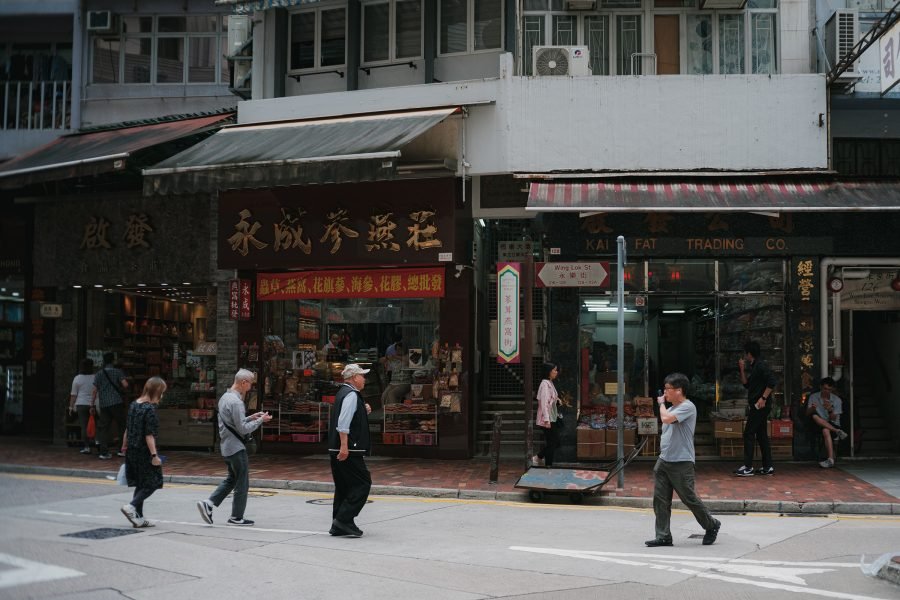
Sheung Wan is an interesting contrast to Hong Kong’s skyline, keeping some remnants of the import and export history, religious customs and food culture of the region. Its small roads combine antique shops, temples and cafés. Hollywood Road is famous among collectors and tourists, and Man Mo Temple shows how locals practice their faiths. For people who want to explore the city through old neighbourhoods, Sheung Wan is the right place to visit.
Why Hong Kong’s Sheung Wan feels different
Sheung Wan is located in the western part of Hong Kong Island just past Central. The excitement starts changing the moment you leave the busy streets. Small streets wind up the hill, where shops can already be spotted along with cafés.
Everything is compact. Most attractions are within a short distance from Sheung Wan station.
Hollywood Road, Hong Kong’s antique trail
Hollywood Road is the area’s main thoroughfare. Dating back to the 1840s, it is lined with shops selling old furniture and ceramics, jade, and wooden carvings. Some shops look like small museums.
You can walk around, and the owners usually welcome conversations. If you ask about the history of a particular item, you may get more than just a short answer. Prices for the same item can differ from one seller to another, so visit several shops before buying.
Cat Street for treasure hunters in Hong Kong
Officially known as Upper Lascar Row, Cat Street lies a bit lower than Hollywood Road. Here you can find stalls selling Mao badges, old coins, tea sets, snuff bottles, and various unusual souvenirs. The best time to visit is during the morning.
Hong Kong’s Man Mo Temple and its giant incense coils
Man Mo Temple has stood on Hollywood Road since 1847. Sunlight cuts through the smoke in soft beams. The scene feels quiet, atmospheric, and wonderfully photogenic. Keep voices low and avoid blocking worshippers. A small donation for incense is welcome.
Hong Kong’s Quiet corners around Tai Ping Shan
Start climbing up from the temple, and the crowds taper off. Tai Ping Shan Street features small religious sites, old tenement houses, and independent cafés. Kwun Yam Temple here brings locals on their way to work.
There is street art on many walls. Blake Garden, a small green space, is nearby with benches and a rooftop view.
Dim sum in Hong Kong
Traditional tea houses serve food on small plates in bamboo baskets. It is a communal event for families. Seats might be a bit tight during lunchtime. It is advisable to come in before 11 a.m. or after two. Vegetarians can still eat well. Steamed vegetable dumplings, mushroom buns, and rice rolls are great options.
Sweet custard buns and mango pudding are great desserts. A pot of jasmine or pu-erh tea completes the meal. It is customary to tap two fingers on the table as a gesture of thanks to the person who pours the drink.
Fitting Sheung Wan into a short Hong Kong trip
Sheung Wan is a perfect location for both half-day and full-day visits. When I travel to Hong Kong, I prefer flying in a business cabin, as spacious seating, extra comfort, priority services and a smoother airport experience help me arrive refreshed. As a result, when I reached Hong Kong on Saturday morning, my experience at the Man Mo Temple was fresh. I like arriving on time, which is perfect for a stroll.
Final thoughts
In Sheung Wan, I discovered a side of Hong Kong which is different from its bustling commerce. A walk along Hollywood Road’s antique shops, with unusual finds on Cat Street and the incense-filled Man Mo Temple, made me feel the area’s tangible roots. The peaceful streets of Tai Ping Shan helped me understand the district, while the quiet lanes, cosy cafes, modern graffiti, and stunning architecture give the place an appeal of their own. Finally, a delicious dim sum meal brought my thoughts to the local cuisine.


